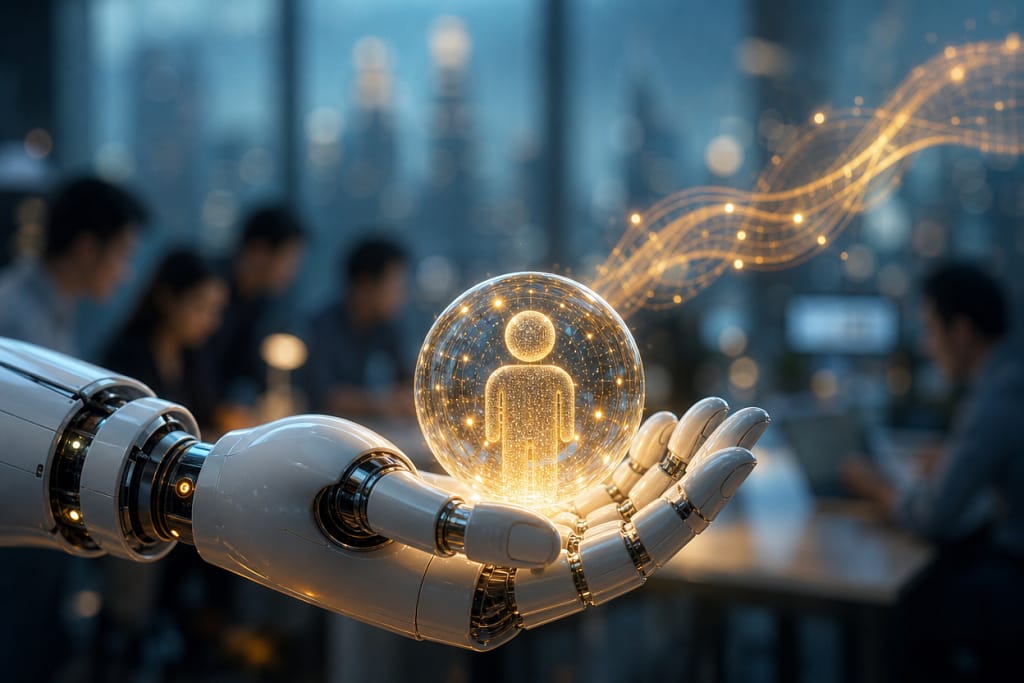
By 2026, AI will be at the core of intelligent software development across Australia, reshaping how teams design, build, and maintain digital solutions. Development workflows will increasingly rely on AI-powered development tools that automate repetitive coding tasks while enforcing high engineering standards. These systems will support AI-assisted programming practices, where developers focus on architecture and logic while models handle boilerplate and pattern-based code. As organisations modernise legacy platforms, scalable AI software solutions will help teams refactor, test, and deploy with greater confidence. We will also see deeper AI integration in dev pipelines, from requirements analysis and test generation through to observability and self-healing production environments. In parallel, machine learning in app development will drive more predictive features, such as anomaly detection and real-time recommendations. Together, these trends position AI Development Services as a strategic capability for any business planning serious digital transformation.
Natural language interfaces will become a standard part of the developer toolkit by 2026, enabling engineers to describe features in plain English and receive structured code suggestions. This shift will accelerate the future of AI coding, making complex frameworks more accessible to smaller teams and start-ups. Continuous learning systems will refine suggestions based on project-specific patterns, improving quality as repositories grow. At the same time, AI Software Development practices will embed robust telemetry and feedback loops, ensuring models adapt safely to changing requirements. Ethical safeguards will be essential, with guardrails preventing insecure code patterns, data leakage, and biased decision paths. Australian organisations will increasingly demand explainability from AI systems, especially in regulated sectors like finance and health. As these expectations mature, AI-driven software innovation will need to balance speed with accountability, ensuring solutions remain transparent, testable, and auditable over time.
How AI Will Transform Software Development by 2026
By 2026, the future of software engineering will be defined by tightly integrated AI tooling across the full lifecycle. Teams will adopt custom AI applications that codify organisation-specific rules, security policies, and domain knowledge. This will allow intelligent software development platforms to generate code that already aligns with internal standards rather than generic best practice alone. Next-generation AI dev workflows will combine automated code review, static analysis, and threat detection into a unified feedback stream. Developers will receive prioritised, context-aware recommendations instead of noisy, fragmented alerts. Automated test-case synthesis will expand coverage, especially on critical business flows and edge conditions. With greater reliability in lower environments, production deployments will become more predictable, even as release cadence increases. These capabilities will underpin resilient, cloud-native solutions capable of scaling with demand while maintaining operational stability and strong security posture.
- Automated code generation that aligns with secure coding standards and architectural guidelines.
- Intelligent debugging that correlates logs, traces, and metrics to isolate root causes faster.
- Predictive analytics that forecast performance bottlenecks and capacity needs before incidents occur.
- Adaptive user experiences that personalise content and workflows in real time across devices.
- Continuous compliance checks that enforce regulatory and governance requirements throughout delivery.

AI Development Services will be critical for Australian businesses seeking to adopt these capabilities without compromising governance or security. Specialist teams will evaluate models, tune them for industry-specific data, and integrate them with existing platforms and workflows. This includes aligning AI-assisted programming practices with internal risk frameworks and compliance obligations. Delivery partners will also design monitoring strategies that track model drift, performance degradation, and emerging vulnerabilities. Organisations will increasingly require clear model documentation, including training data lineage, decision logic, and known limitations. In complex environments, AI integration in dev pipelines must support rollback strategies and human-in-the-loop approvals for high-risk changes. When executed well, these services will reduce time-to-market while maintaining rigorous controls appropriate for enterprise and public-sector environments.
By 2026, the most competitive software teams will be those that treat AI as an engineered, governed capability—not just a convenient coding assistant.
Building a Secure and Ethical AI-First Software Future
As AI capabilities mature, Australian organisations will need robust governance frameworks that treat AI as critical infrastructure rather than experimental tooling. Security teams will expand threat models to include data poisoning, prompt injection, and model exfiltration risks. Product leaders will define clear guidelines for responsible use, transparency, and user consent around AI-driven features. Engineering teams will embed automated checks that flag potentially biased or non-compliant behaviours before release. Collaboration between security, legal, and engineering will be essential to operationalise these principles at scale. To stay competitive, organisations should begin modernising architectures now, preparing platforms for AI-first patterns in areas like observability, event streaming, and identity. The businesses that invest early in disciplined, well-governed AI capabilities will be best positioned to capture long-term value from AI-enabled software development. Now is the time to assess current tooling, skills, and processes, and design a concrete roadmap towards a mature AI-enabled delivery model.