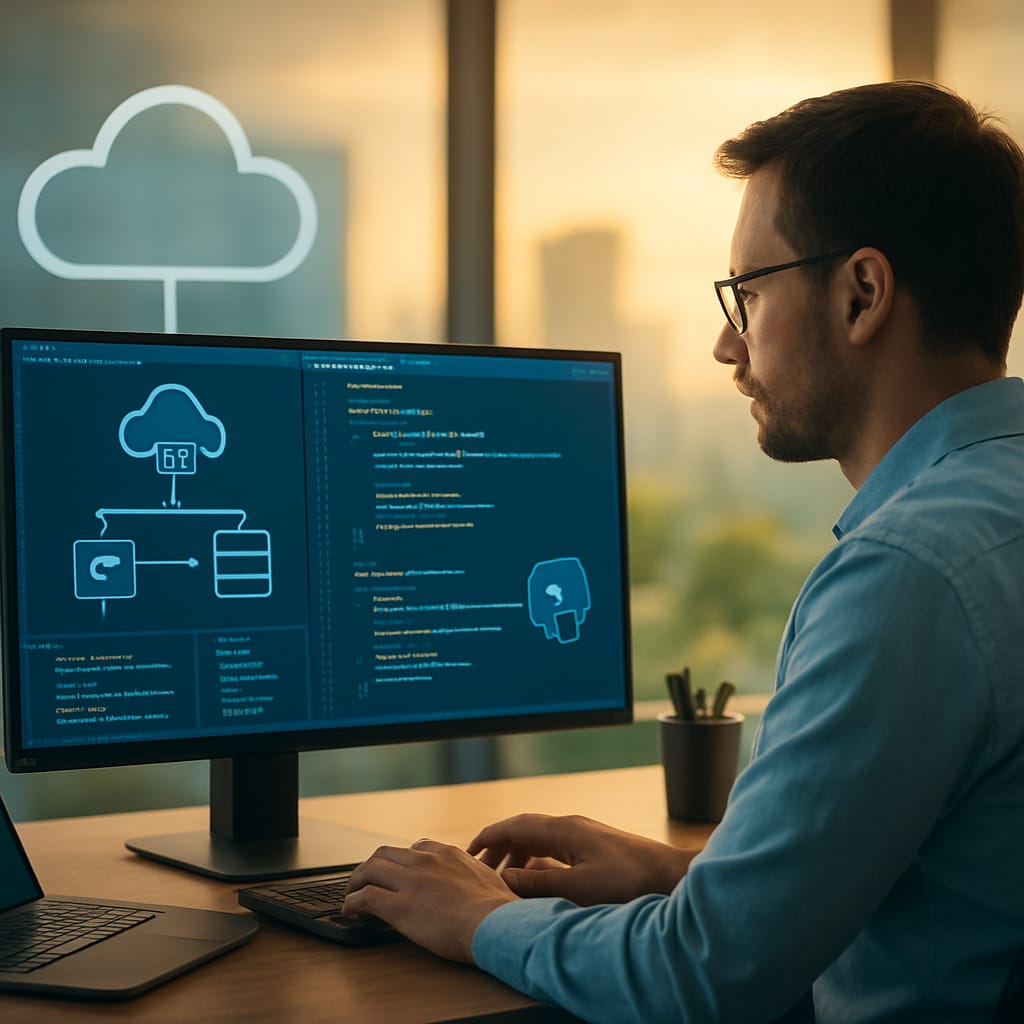
In 2026, Australian organisations are relying on Microsoft Development & .Net Services to modernise critical systems, elevate user experience, and reduce operational risk. The convergence of .NET 8, Azure, and AI-driven tooling is enabling teams to move beyond tactical fixes and deliver strategic, long-lived platforms. Executives are now asking for measurable improvements in performance, security, and accessibility rather than simple feature parity with legacy stacks. This shift requires technical leaders to align architecture decisions with regulatory obligations, ESG commitments, and demanding user expectations across web, mobile, and desktop. When implemented well, these capabilities support custom software solutions that integrate seamlessly with existing line-of-business platforms. For Australian enterprises, the priority is no longer whether to modernise, but how to do so in a controlled and compliant manner. As a result, structured approaches to governance, DevSecOps, and observability have become non-negotiable. Organisations that master these disciplines will be best placed to compete in an increasingly digital economy.
Across sectors such as government, healthcare, and financial services, technology leaders are evaluating how Microsoft’s unified stack can streamline enterprise application development. The ability to reuse core business logic across channels is reducing duplication and simplifying maintenance, especially for teams managing complex integration landscapes. At the same time, boards and regulators are scrutinising the provenance of data, the security of APIs, and the resilience of public-facing services. This creates strong incentives to adopt cloud-native patterns that incorporate monitoring, encryption, and identity controls from the outset. Australian organisations that take a piecemeal approach often encounter escalating technical debt and inconsistent user journeys. By contrast, those that use standardised patterns and reference architectures can scale more predictably while maintaining compliance. The practical challenge is balancing innovation with risk management under tight delivery timelines. Robust engineering practices and targeted upskilling are therefore critical enablers for sustainable transformation.
Converging .NET, Azure, and Cross-Platform Experience
The modern Microsoft ecosystem is centred on .NET 8, Azure, and cross-platform frameworks that support responsive, accessible interfaces. Teams can now deliver cross-platform .NET MAUI applications that share core services and models while still respecting the nuances of native user interfaces. This approach reduces the operational footprint associated with maintaining multiple codebases across Windows, iOS, Android, and the browser. When combined with container orchestration and serverless compute, organisations can design scalable .NET enterprise solutions optimised for variable and event-driven workloads. In practice, this means being able to handle seasonal peaks, public campaigns, or data-intensive analytics without overprovisioning infrastructure. Australian solution architects increasingly favour cloud-based .Net applications that align with local data residency and sovereignty requirements. With Azure-native networking, identity, and policy controls, these platforms can be tuned carefully to reflect internal security postures. The result is a coherent platform strategy that supports iterative delivery and continuous improvement.
- Leverage containerised workloads on Azure Kubernetes Service to isolate services and streamline deployment pipelines.
- Adopt serverless components such as Azure Functions for bursty or event-driven processing scenarios.
- Implement centralised telemetry and logging for all production services to support rapid incident response.
- Standardise authentication and authorisation through Microsoft Entra ID to simplify identity management.
- Continuously review architecture decisions against cost, performance, and sustainability objectives.

Developer experience is also changing rapidly as AI-powered .NET development tools mature and become part of everyday workflows. With intelligent assistance embedded into IDEs and CI/CD pipelines, teams can identify performance bottlenecks, code smells, and potential vulnerabilities earlier in the lifecycle. Used responsibly, these tools reduce cognitive load, allowing engineers to focus on domain modelling and user-centric design rather than repetitive boilerplate. Australian teams are pairing AI insights with telemetry from Application Insights and Azure Monitor to understand real-world behaviour under load. This combination supports modern microsoft app modernization initiatives where legacy components are incrementally replaced rather than rewritten from scratch. Governance teams, meanwhile, are codifying secure azure-based .NET services patterns to ensure consistency across portfolios. When supported by training and strong engineering leadership, these practices can measurably reduce defects and production incidents. Over time, the entire delivery pipeline becomes more predictable, auditable, and sustainable.
Australian organisations that treat AI-assisted development, observability, and security as integrated capabilities rather than separate initiatives achieve faster value realisation with lower long-term risk.
Designing Secure, Accessible, and Future-Ready Experiences
Modern user expectations demand consistent, accessible experiences across Windows, the web, and mobile channels, particularly in regulated sectors. Windows 11 and progressive web technologies now support rich, offline-capable interfaces that still meet enterprise security and compliance needs. Teams are incorporating inclusive design from the outset, ensuring that assistive technologies, keyboard navigation, and colour contrast guidelines are respected. This approach is especially important for public services, where accessibility is both a legal and ethical obligation. Many Australian organisations are also exploring microsoft 365 integration for custom apps to streamline collaboration and document workflows. As digital estates grow, platform teams are turning to next-generation microsoft cloud platforms to consolidate governance and reduce complexity. Against this backdrop, future-ready .NET development services provide the architectural discipline and tooling required to handle evolving regulatory, performance, and sustainability targets. To stay competitive in 2026 and beyond, organisations should assess their current stack, prioritise high-value workloads, and engage expert partners who specialise in end-to-end Microsoft Development & .Net Services.