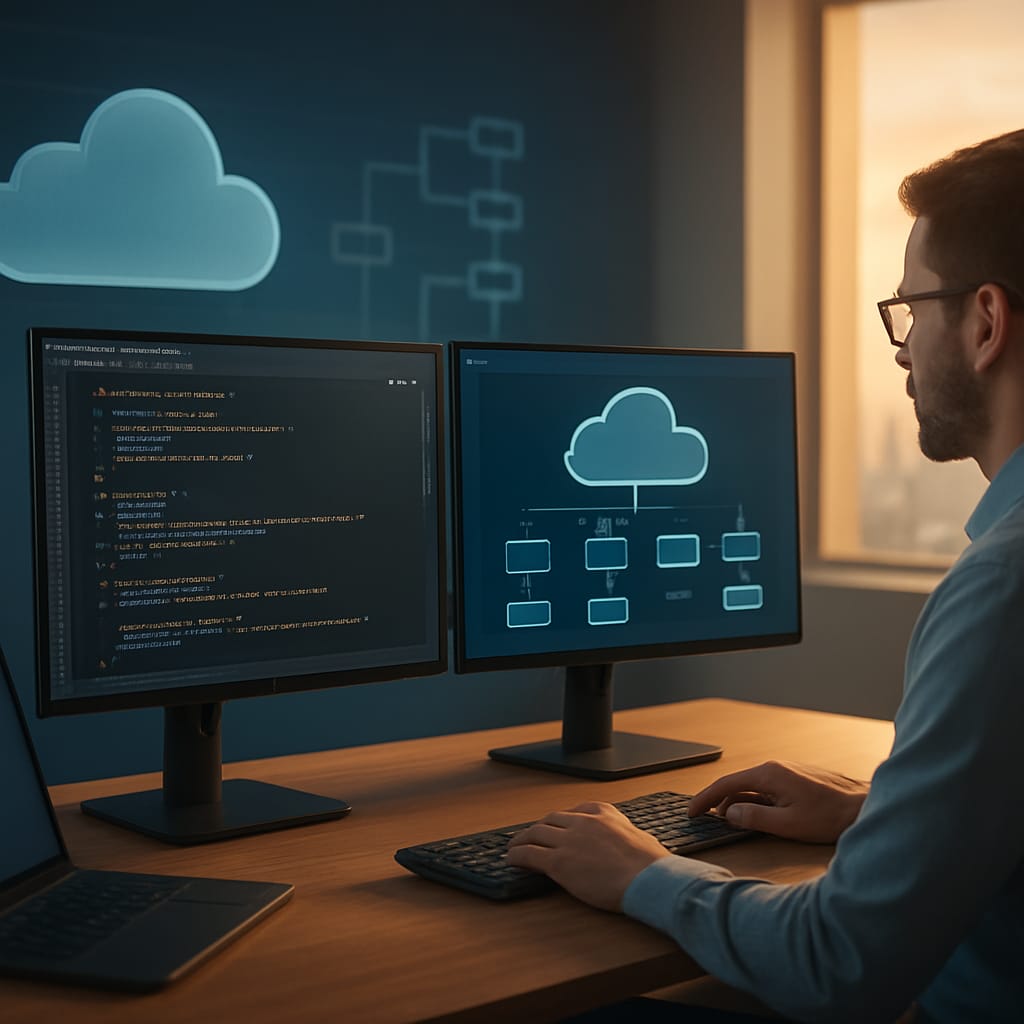
The Future of IT Outsourcing: Predictions for 2026 points to a decisive shift in how Australian organisations source and manage technology capabilities. Rather than focusing solely on cost reduction, leaders are using Outsourced IT Services to secure scarce skills, accelerate digital transformation and enhance resilience. This reflects broader enterprise IT outsourcing trends, where value is measured in uptime, innovation velocity and risk posture rather than hourly rates. In Australia, rapid growth in cloud, cyber security and data platforms is reshaping sourcing strategies as boards demand both speed and control. At the same time, providers are evolving from staff augmentation bodies to end-to-end partners accountable for defined outcomes. This transition is being reinforced by regulatory expectations, heightened cyber threats and ongoing competition for experienced engineers. By 2026, IT outsourcing will be deeply embedded in operating models, not treated as a tactical procurement line item.
Technology foundations are changing how IT services are delivered, with AI and automation at the centre of modern managed IT solutions. Service providers are deploying AIOps, intelligent observability and automated remediation to predict incidents and reduce manual intervention. This supports higher reliability while freeing local teams to focus on product engineering and user experience improvements. Cloud-native architectures and platform engineering practices are further enabling scalable outsourced IT management aligned to business outcomes. In parallel, edge computing and 5G are extending the perimeter of operations, requiring near-real-time monitoring of distributed devices and workloads. Providers with strong platform certifications and mature automation pipelines will be favoured for these complex environments. For many organisations, this will be the practical future of managed IT services, combining human expertise with machine-driven operations.
The evolving role of IT outsourcing by 2026
By 2026, Australian enterprises will increasingly treat IT outsourcing as a strategic capability, not just a cost lever. Leadership teams will seek partners that can co-design target operating models, integrate security by design and support long-term product roadmaps. This shift underpins many benefits of IT outsourcing, including faster access to specialised skills and predictable service levels. Instead of fragmented vendor relationships, organisations will consolidate around a smaller number of strategic IT outsourcing partnerships. These partners will be measured on delivered value, such as reduced incident volumes, improved customer experience scores and shorter release cycles. Flexible commercial frameworks will allow services to scale with business demand without locking in inflexible capacity. Over time, this approach will align sourcing strategies more closely with enterprise architecture and portfolio governance.
- AI-driven monitoring and automation to predict, prevent and remediate incidents across hybrid environments.
- Cloud migration factories that industrialise application modernisation and landing zone deployment.
- Security operations and threat hunting embedded into managed platforms and network services.
- Remote IT help desk outsourcing providing 24×7 multilingual end-user and workplace support.
- Data, analytics and observability services enabling real-time operational and business insights.

Geography is also being rethought as organisations balance talent access, risk and collaboration needs. Many Australian firms are reassessing pure offshore IT support outsourcing models that rely on labour arbitrage alone. Time zone misalignment, regulatory complexity and communication overheads are pushing a pivot towards blended onshore and nearshore delivery. This is especially important for functions such as cyber security operations, cloud engineering and critical incident management. For smaller organisations, outsourced IT support for SMBs will increasingly provide enterprise-grade capabilities without enterprise-level overhead. Across the market, cost savings with managed IT will be analysed alongside innovation capacity, security posture and user satisfaction. Successful sourcing strategies will explicitly define which capabilities must remain in-house and which are best delivered by trusted partners.
By 2026, Australian organisations that treat IT outsourcing as a governed, data-driven capability rather than a transactional procurement decision will gain a structural advantage in resilience, speed and innovation.
Governance, risk and the future of IT outsourcing in Australia
As outsourcing becomes more deeply embedded, risk management in IT outsourcing will be a board-level focus in Australia. Regulators and directors will expect clear accountability for third-party performance, data handling and incident response readiness. Mature providers will offer shared risk registers, tested playbooks and continuous compliance monitoring across cloud, data and workplace services. Organisations will need to define robust service integration and management functions to orchestrate multiple vendors effectively. This will include standardised reporting, unified observability and regular joint reviews of controls effectiveness. For many, IT support outsourcing will sit within a broader ecosystem of security, network and application partners managed through a common governance framework. Technology leaders should now review sourcing portfolios, clarify architectural accountability and identify where Outsourced IT Services can strengthen resilience and agility while maintaining tight control of critical assets.